A Tiny Rescue, a Big Surprise, and the Wild Mix-up at Busch Wildlife Sanctuary
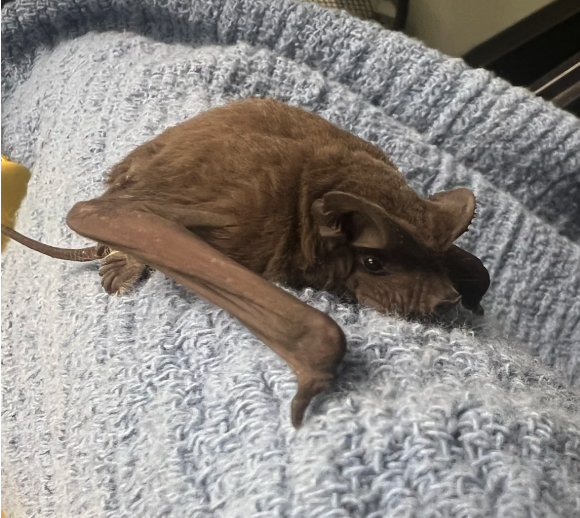
JUPITER FARMS, Fla. — For a few exciting days this month, the veterinary staff at the Busch Wildlife Sanctuary believed they were holding a piece of history in the palm of their hands.
It started with a tiny, fragile rescue: a 4-to-5-week-old bat pup, separated from its mother and found struggling in Jupiter Farms. When specialists first looked at the infant, its oversized ears and unique facial structure pointed to an incredible diagnosis. They believed it was a Florida bonneted bat—the rarest bat species in North America, with fewer than 1,000 estimated left on Earth.
Had the diagnosis held true, it would have marked the first time the critically endangered species was ever documented in Palm Beach County.
But nature has a way of keeping scientists on their toes. Identifying infant bats is notoriously difficult, as their features are still forming. As the weeks went on, the pup grew, grew into its ears, and its true identity finally emerged.
Following a detailed evaluation by biologists from the Florida Fish and Wildlife Conservation Commission (FWC), officials delivered the plot twist: the rare "bonneted bat" was actually a highly common Brazilian free-tailed bat.
A Sanctuary Built for Second Chances
While the news was a surprise, handling unexpected plot twists is just another day at the office for the Busch Wildlife Sanctuary. Operating for more than 40 years, the nonprofit sanctuary serves as South Florida’s premier native wildlife hospital. To accommodate an ever-growing influx of animal patients, the sanctuary completely relocated to a brand-new, 20-acre facility right here in Jupiter Farms in October 2023.
The state-of-the-art campus features nature trails, a discovery center, a reptile complex, and massive habitats for native ambassador animals like panthers, black bears, and bald eagles.
The medical team treats over 5,000 injured or orphaned animals every single year—ranging from tiny hummingbirds to large apex predators—with roughly 90 percent of those injuries stemming from negative human interactions like car collisions or fishing line entanglements.
Still a VIP Patient
"While it would have been an incredible milestone for local conservation, our priority is always the individual animal," the sanctuary noted. The mix-up is a common one in wildlife rehab, where infant animals frequently look like completely different species until their adult features develop.
Despite losing its "royal" status, the little pup is still getting the VIP treatment. The veterinary team at Busch Wildlife is continuing to provide round-the-clock specialized care, feeding the growing pup and preparing it for the day it can be safely released back into the Florida skies.
Image: Yahoo News
https://www.yahoo.com/news/